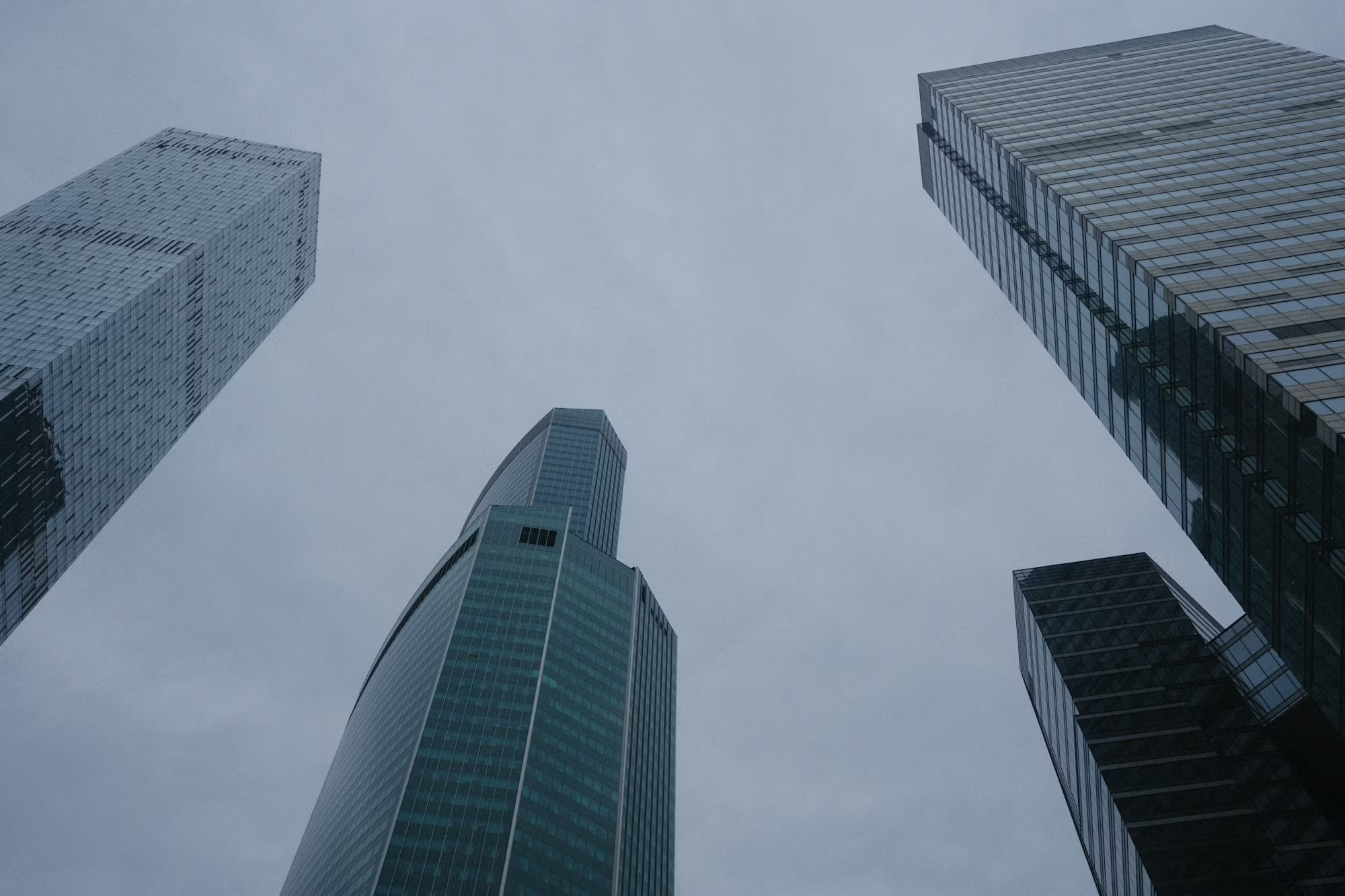
Skyscrapers are more than mere architectural feats; they are landmarks that define the identity of cities. Rising majestically against the skyline, these towering structures tell stories of ambition, innovation, and the evolving nature of urban life. As cities face unprecedented challenges and opportunities, the design and function of skyscrapers will play a pivotal role in shaping our collective urban identity. This article delves into how skyscrapers contribute to community dynamics, reflect cultural values, and drive economic growth while fostering a sense of belonging among residents.
Historically, skyscrapers emerged in the late 19th century, initially symbolizing economic power and progress. The Home Insurance Building in Chicago, completed in 1885, is often credited as the first skyscraper, showcasing the revolutionary use of steel-frame construction. As urban populations surged, cities like New York and Chicago became known for their iconic skylines, where skyscrapers became emblematic of opportunity and modernity. Today, buildings such as the Burj Khalifa in Dubai and the Shanghai Tower stand as testaments to human creativity and engineering prowess, pushing the boundaries of height and design.
In the contemporary context, skyscrapers serve multifaceted purposes that extend beyond their physical presence. They act as economic engines, housing corporate offices, retail spaces, and residential units. The integration of various functions within a single skyscraper fosters vibrant urban environments where people can live, work, and socialize. For instance, the mixed-use development of Hudson Yards in New York City combines luxury residences, shops, and public spaces, creating a dynamic hub that attracts both locals and tourists. Such developments illustrate the importance of integrating different uses to enhance the urban experience, promoting interaction and engagement among diverse populations.
Furthermore, skyscrapers significantly contribute to urban identity by acting as cultural icons. They embody the unique characteristics and aspirations of the cities in which they reside. The Sydney Opera House, while not a skyscraper in the traditional sense, showcases how architecture can become a symbol of a city’s identity. Similarly, skyscrapers like the Petronas Towers in Kuala Lumpur reflect the cultural heritage and aspirations of their nations, merging modern design with local influences. This architectural dialogue helps cultivate a sense of pride among residents, connecting them to their city’s narrative.
As cities evolve, so too does the need for sustainable practices in skyscraper design. Environmental concerns have prompted architects and developers to prioritize sustainability in their projects. The Edge in Amsterdam exemplifies this shift, featuring innovative energy-efficient technologies, green roofs, and extensive use of natural light. Such designs not only reduce the carbon footprint of these structures but also create healthier living environments for occupants. By incorporating green technologies, skyscrapers can contribute positively to the urban ecosystem while setting a standard for future developments.
Moreover, the rise of smart technology is revolutionizing how skyscrapers operate and interact with their environments. Smart buildings utilize data and automation to optimize energy consumption, enhance security, and improve occupant comfort. Features such as automated lighting and climate control systems adjust to the needs of residents and businesses, promoting energy efficiency and convenience. The Bosco Verticale in Milan, with its vertical gardens and advanced irrigation systems, showcases how technology can harmoniously blend with nature, enhancing both aesthetic appeal and environmental sustainability.
In addition to economic and environmental considerations, the social dimension of skyscraper design is becoming increasingly important. As urban centers grow, creating spaces that foster community interaction and inclusivity is vital. The design of public areas within or around skyscrapers plays a crucial role in promoting social engagement. For example, the Salesforce Park in San Francisco, built atop a commercial development, offers green space that invites community activities and provides a respite from the bustling urban environment. By prioritizing public spaces, skyscrapers can serve as gathering places that strengthen community ties and foster a sense of belonging.
Moreover, the concept of vertical urbanism is gaining traction, emphasizing the importance of creating interconnected spaces that facilitate social interaction. Skyscrapers can incorporate elements such as parks, gardens, and communal areas that encourage residents and visitors to engage with one another. This approach not only enhances the livability of urban spaces but also contributes to a more vibrant and cohesive urban fabric. As cities become increasingly populated, fostering social connections becomes essential for enhancing overall quality of life.
However, challenges remain in the pursuit of creating inclusive urban spaces. Issues such as accessibility and social equity must be addressed in skyscraper design. Ensuring that buildings cater to diverse populations, including individuals with disabilities, is essential for promoting inclusivity. Incorporating features like ramps, wide corridors, and accessible public spaces can help make skyscrapers welcoming for everyone. By prioritizing accessibility, cities can ensure that all residents have equal opportunities to engage with their urban environments, enhancing social cohesion.
In conclusion, skyscrapers are more than architectural landmarks; they are essential components of urban identity and community dynamics. As cities continue to grow and evolve, the role of skyscrapers will become increasingly significant in shaping the future of urban living. By embracing sustainable practices, integrating smart technologies, and prioritizing social engagement, skyscrapers can contribute to creating vibrant, inclusive, and resilient urban environments. As we envision the cities of tomorrow, it is essential to recognize the potential of skyscrapers to not only redefine skylines but also enhance the quality of life for all residents, fostering a sense of connection and belonging in our increasingly urbanized world.